March is Women’s History Month, and it is a time to honor the women who refused the world’s expectations of them, who walked into rooms they were told were not for them and stayed anyway, and who led and built institutions where they were told none could exist.
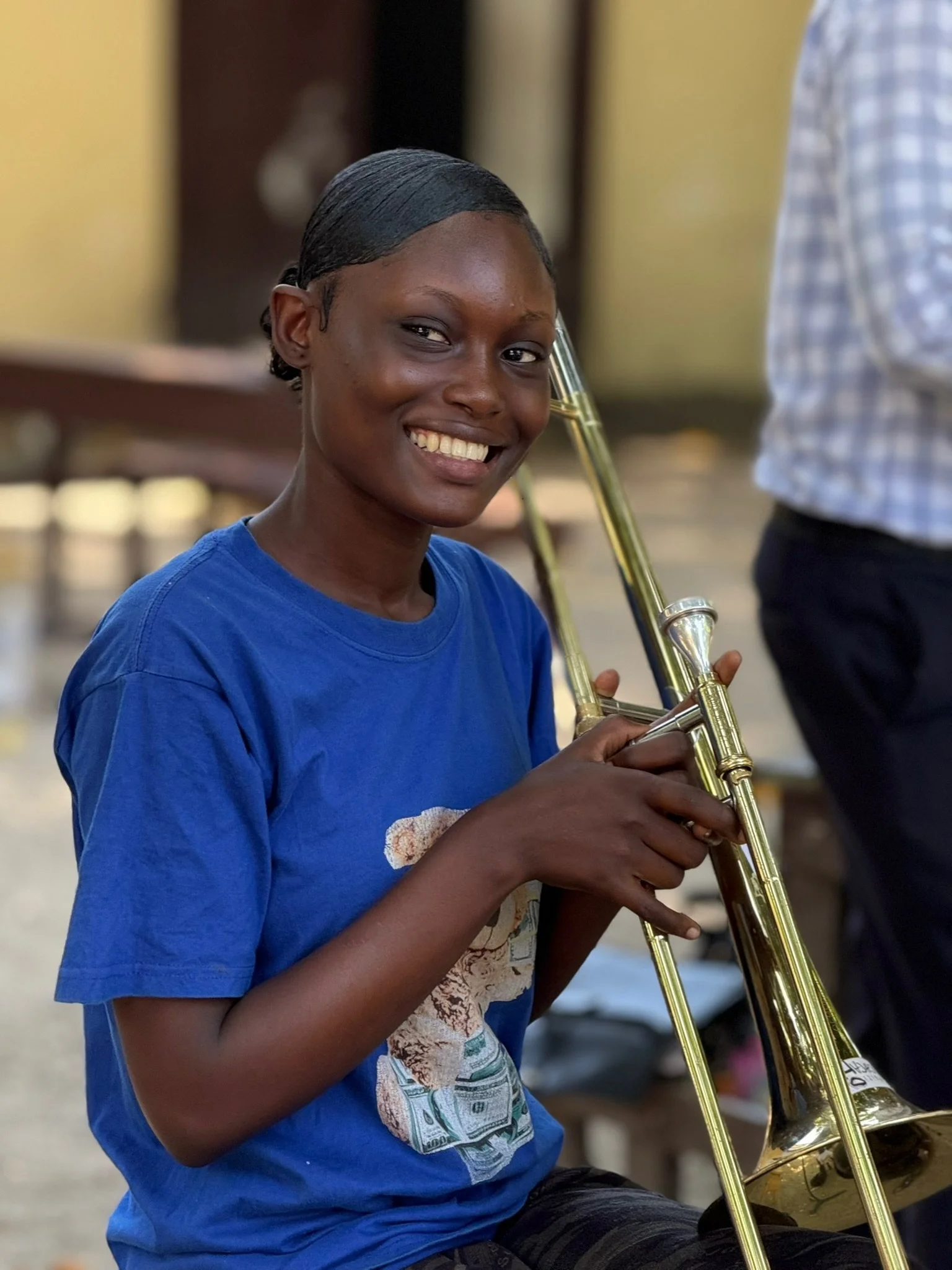
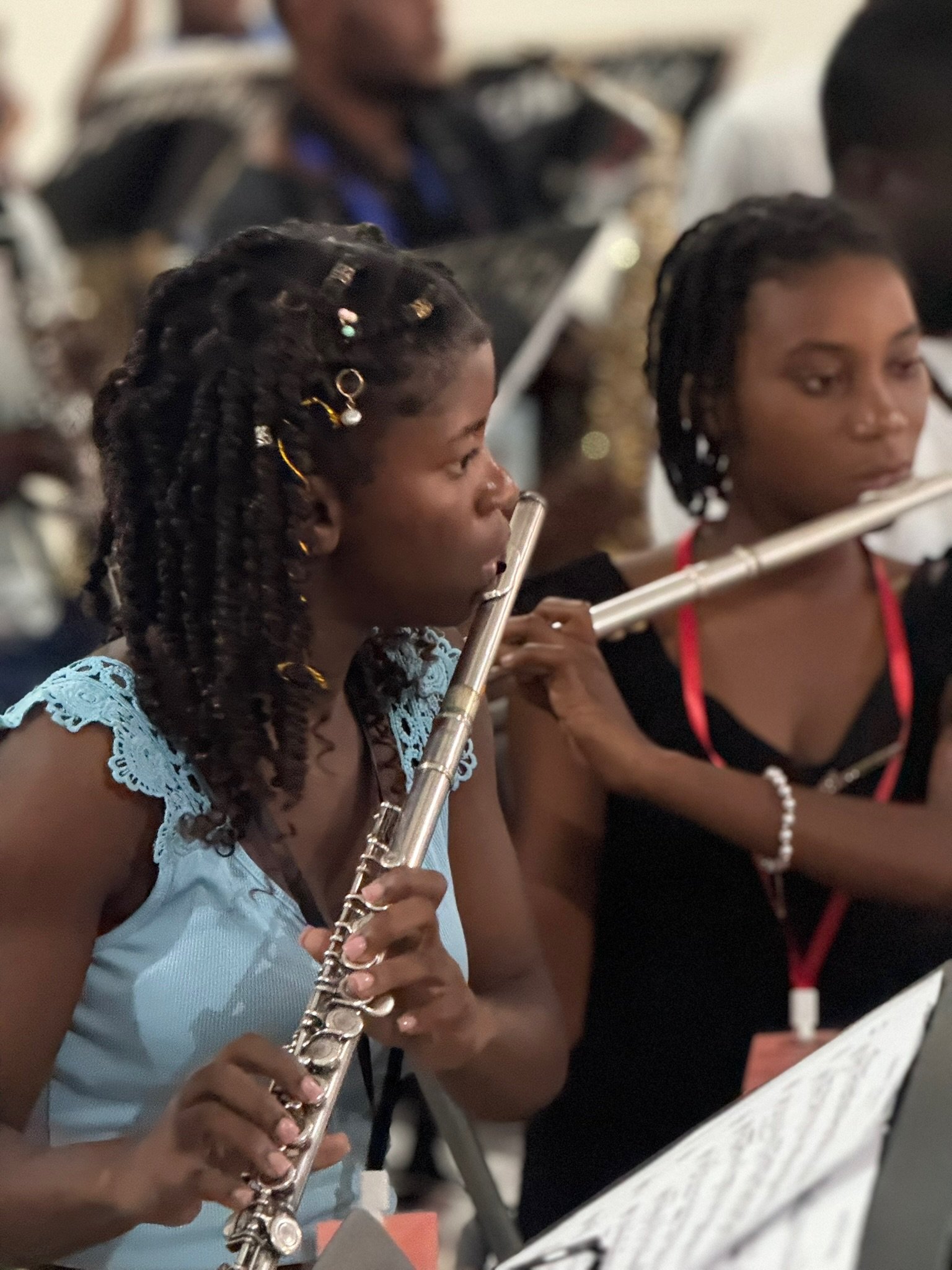
At BLUME Haiti, we see those women every single day. Not in history books but in classrooms, on stages, behind drums, and in front of students who are watching carefully to see what is possible for them.
To honor these women, we want to share two stories that capture everything we believe about what music education can do when it reaches the right person at the right time.

The Girl Who Would Not Put Down the Drum
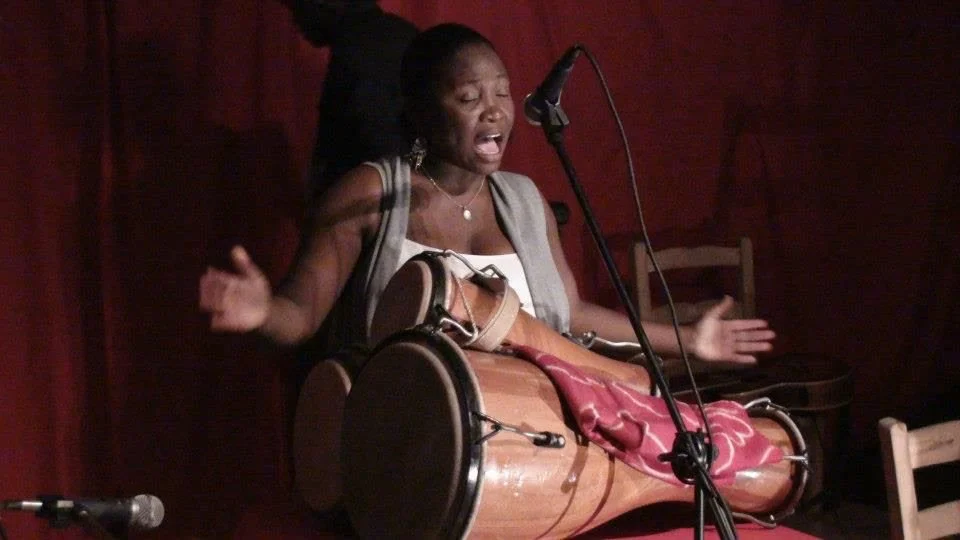
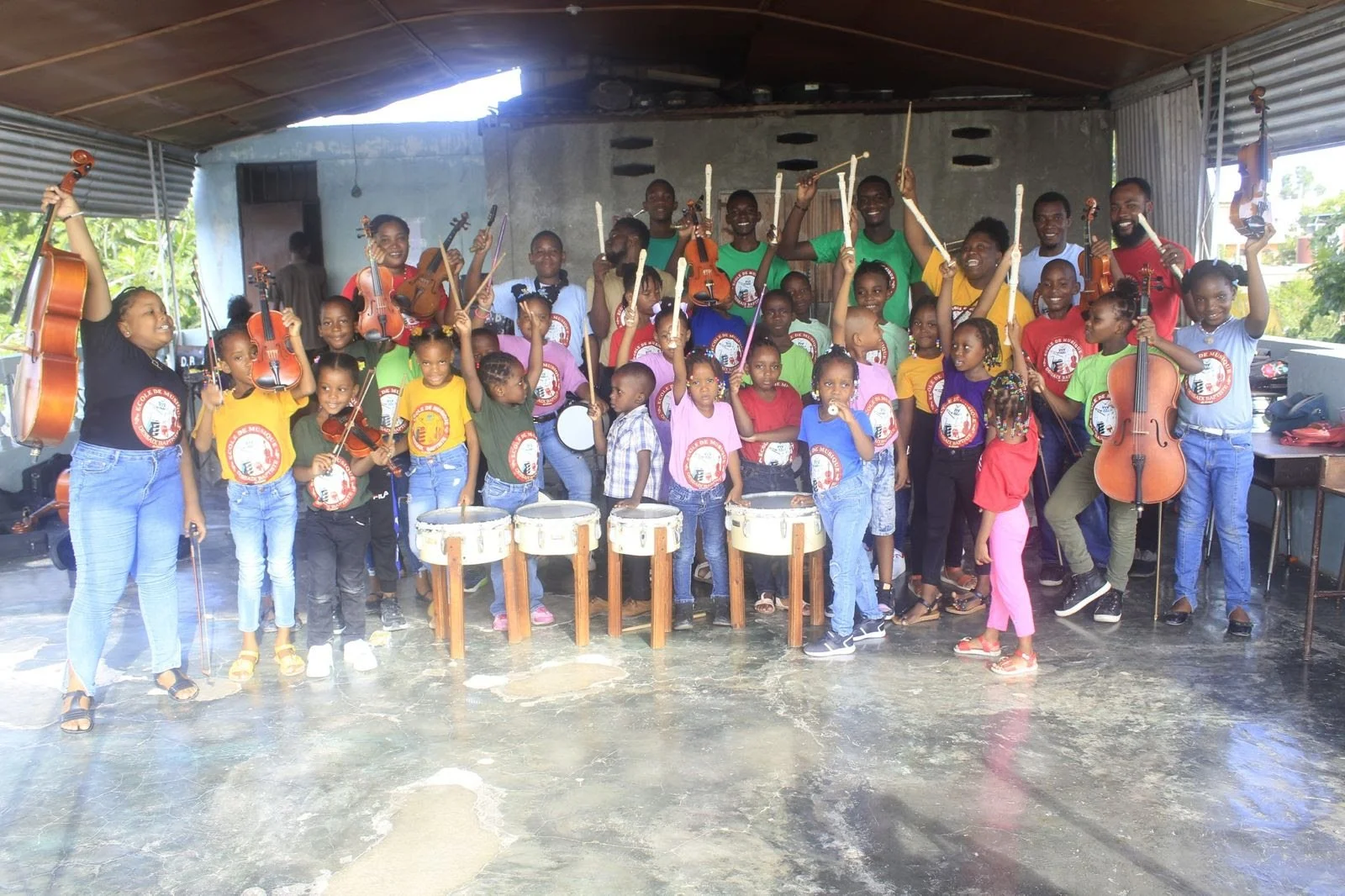
When we first met Stephanie Julien in 2001, she was already playing percussion at the Dessaix-Baptiste Music School in Jacmel and learning cello as well. Even then, as a young girl in southern Haiti, she carried herself with the kind of focus and intention that makes you pay attention.
There is something worth pausing on here. The percussion section is not where you typically find young girls. In Haiti as in most of the world, the drum is considered a man's instrument. As percussionists, the orchestra pit, the bandstand, the rehearsal room have historically belonged to boys, and girls are often guided toward the gentler instruments, the quieter roles, the more expected paths.
Stephanie did not accept that script.
In 2008, we invited her to participate in the very first Luthiers without Borders seminar held at the Holy Trinity Music Camp, and what we saw there confirmed what we had already sensed: that Stephanie was not just a talented musician, she was a rising leader. Her dedication, her persistence, her discipline all pointed toward something larger than performance. She went on to spend four years in Cuba earning degrees in percussion and education and when she came home to Jacmel, she returned with force.
Today, Stephanie serves as the Director of the Dessaix-Baptiste Music School, the very institution where we first met her more than two decades ago, and also as the Director of the Institut National de Musique d'Haiti in Jacmel, known as INAMUH, the Haitian equivalent of the renowned El Sistema program which uses music as a vehicle for social change.
In a field where women rarely hold the baton, Stephanie holds two institutions.
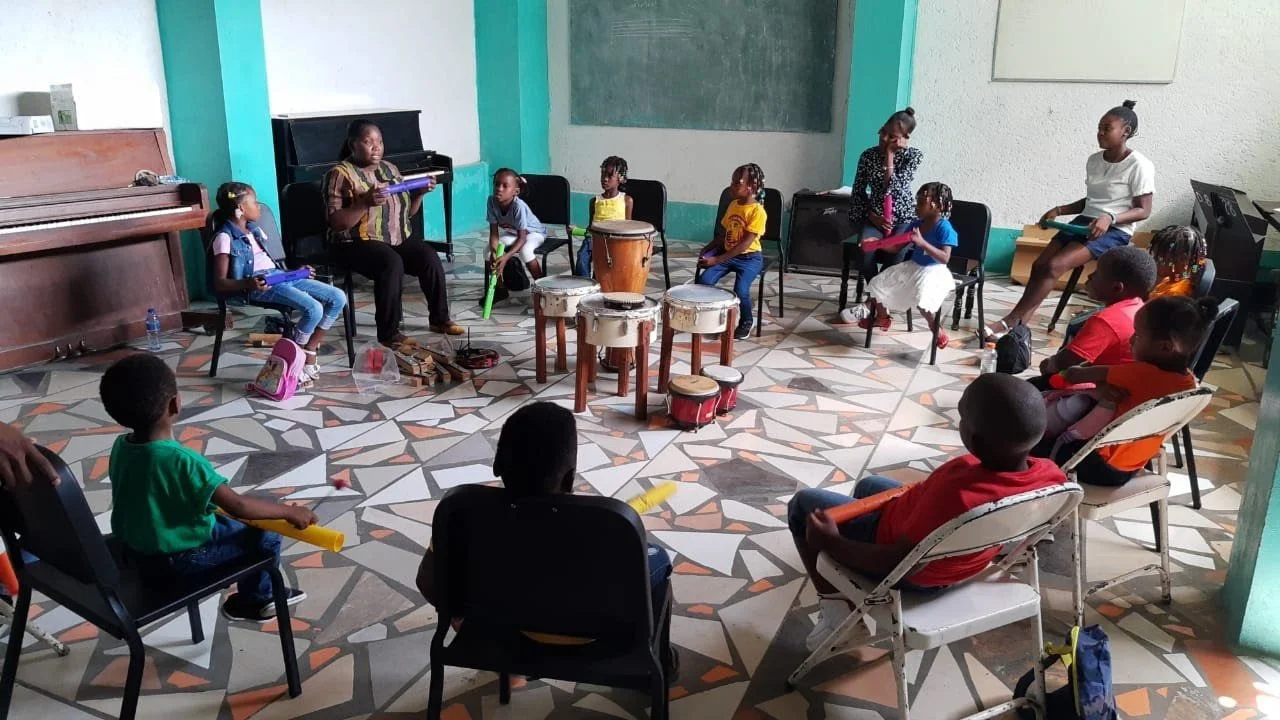
She has built a culture of joy inside both of them, where every student and every ensemble gets their moment on stage, every young musician receives grounding in music theory and appreciation alongside their instrument, and every girl in her classroom grows up watching a woman lead, understanding that this role can also be meant for them.
Stephanie arrived at leadership because someone believed in her early enough and consistently enough that she could believe in herself. She is the proof that when we invest in a young girl with a drum and a dream, we are not just funding a musician, we are funding a future director, a community leader, a future role model, a future generation of students who will one day look up at a woman leading an orchestra and understand that this was always possible.
Her story began when a girl in Jacmel refused to put down the drum.
One Woman Among Seventeen
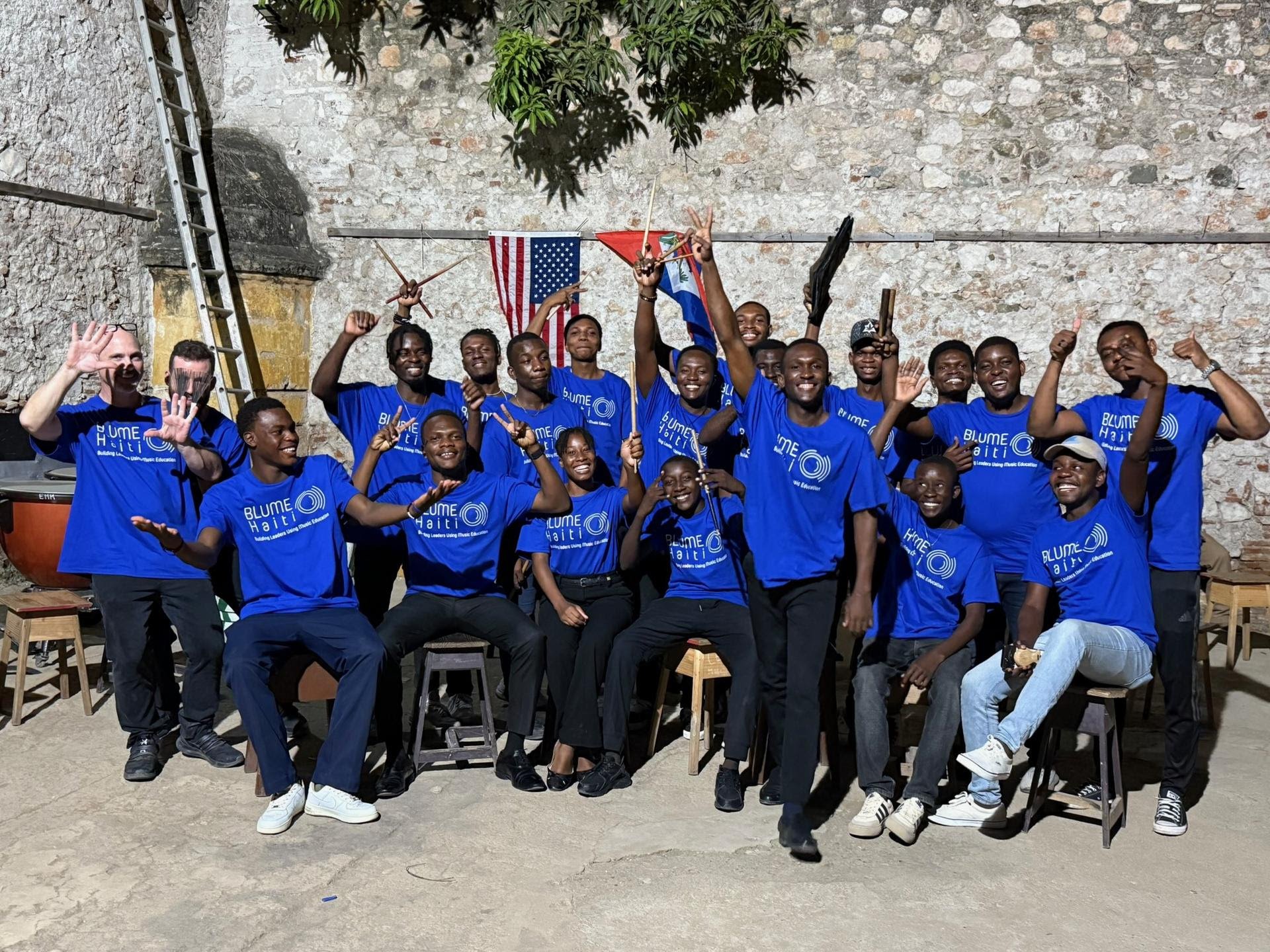
Last year, BLUME Haiti hosted its International Percussion Festival, bringing together 17 young musicians from 5 of Haiti's ten departments and at least 8 schools across Haiti, ranging in age from 13 to 31, and for a few days rhythm became a language of connection and possibility across the country.
But amid the celebration, one moment stayed with us, among 17 participants, only one was a woman.
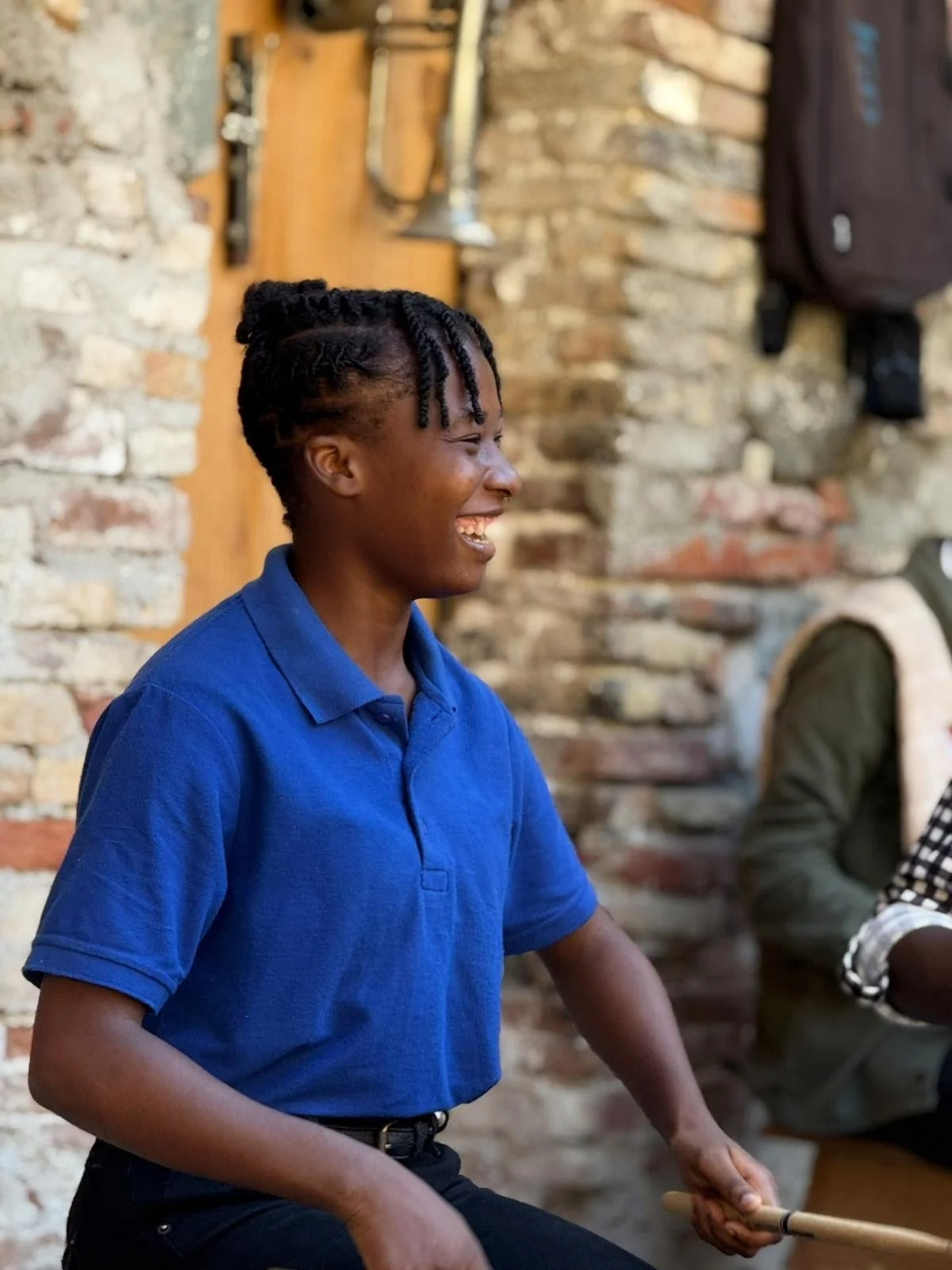
She was 22 years old, a college student and percussionist who showed up anyway, who played anyway, who looked around at the room she was in and rather than feeling diminished by what she saw, felt something ignite instead.
This is what she said about her experience:
"What it meant for me is that if we join forces we can make a big impact and achieve great things, because we Haitians, we are full of talent. It doesn't have to be only foreigners who do these things, we can do them too. And the impact it had on my life was that while looking at a photo I saw 16 men and only 1 woman in the festival, and that encouraged me even more to motivate young women like myself to play percussion too and to become an extraordinary influencer."
One woman among seventeen, and she left more determined than when she arrived.
That is the resilience we see in Haitian women every single day, the capacity to look at a room that was not built for them and decide to build it differently for the ones who come next. But resilience alone is not enough, and it should not have to be.
Representation Is Structural
The stories of Stephanie and this young percussionist are indicators, showing us where the work is and where it must grow.
In Haiti as in most of the world, music spaces, particularly percussion, brass, and leadership roles remain overwhelmingly male, and girls who feel drawn to these instruments and these stages are often discouraged long before they ever touch a drum or stand in front of an ensemble. The barriers are not always explicit. Sometimes they live in the quiet absence of a woman at the front of the room, a gap that shapes what girls believe is possible for them long before they ever pick up an instrument.
At BLUME Haiti, we believe that representation is structural, when girls see themselves reflected in the musicians and educators around them, they develop the desire and the dedication to lead, they begin to imagine futures that once felt closed to them, and music then represents autonomy, proof that they were always capable of more than the world suggested.
This is why we are actively working to expand access to music education for girls and young women across Haiti, to intentionally recruit and support female musicians and educators, and to create spaces where girls are centered and welcomed.
What Your Support Makes Possible
Stephanie did not become a director alone, she became one because someone saw her at the Dessaix-Baptiste Music School in 2001 and kept believing in her across decades of investment and opportunity, and the young percussionist at our festival did not leave more determined alone she left that way because BLUME Haiti created a space where she could be present, be seen, and be part of something that reminded her of her own capacity.
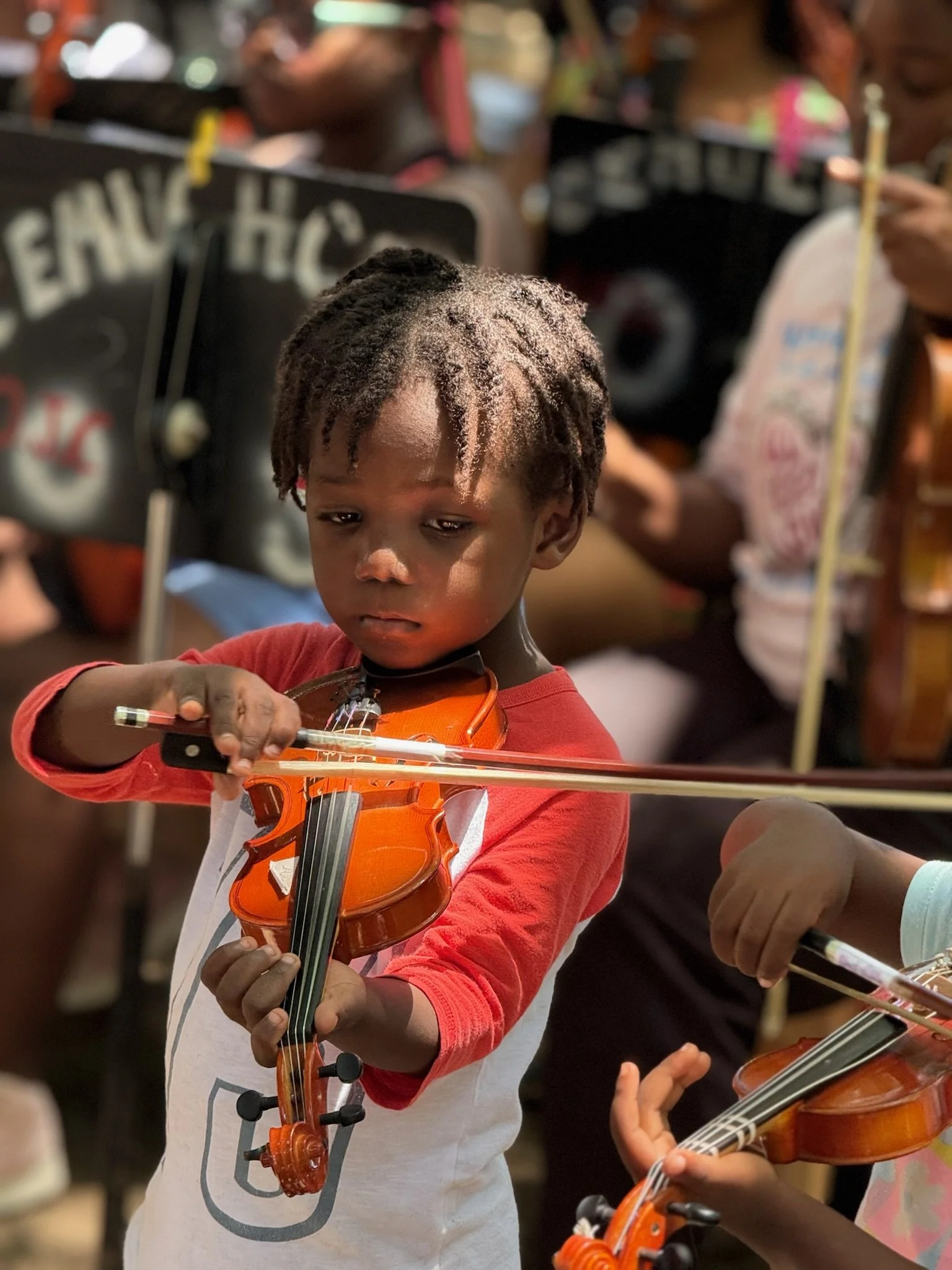
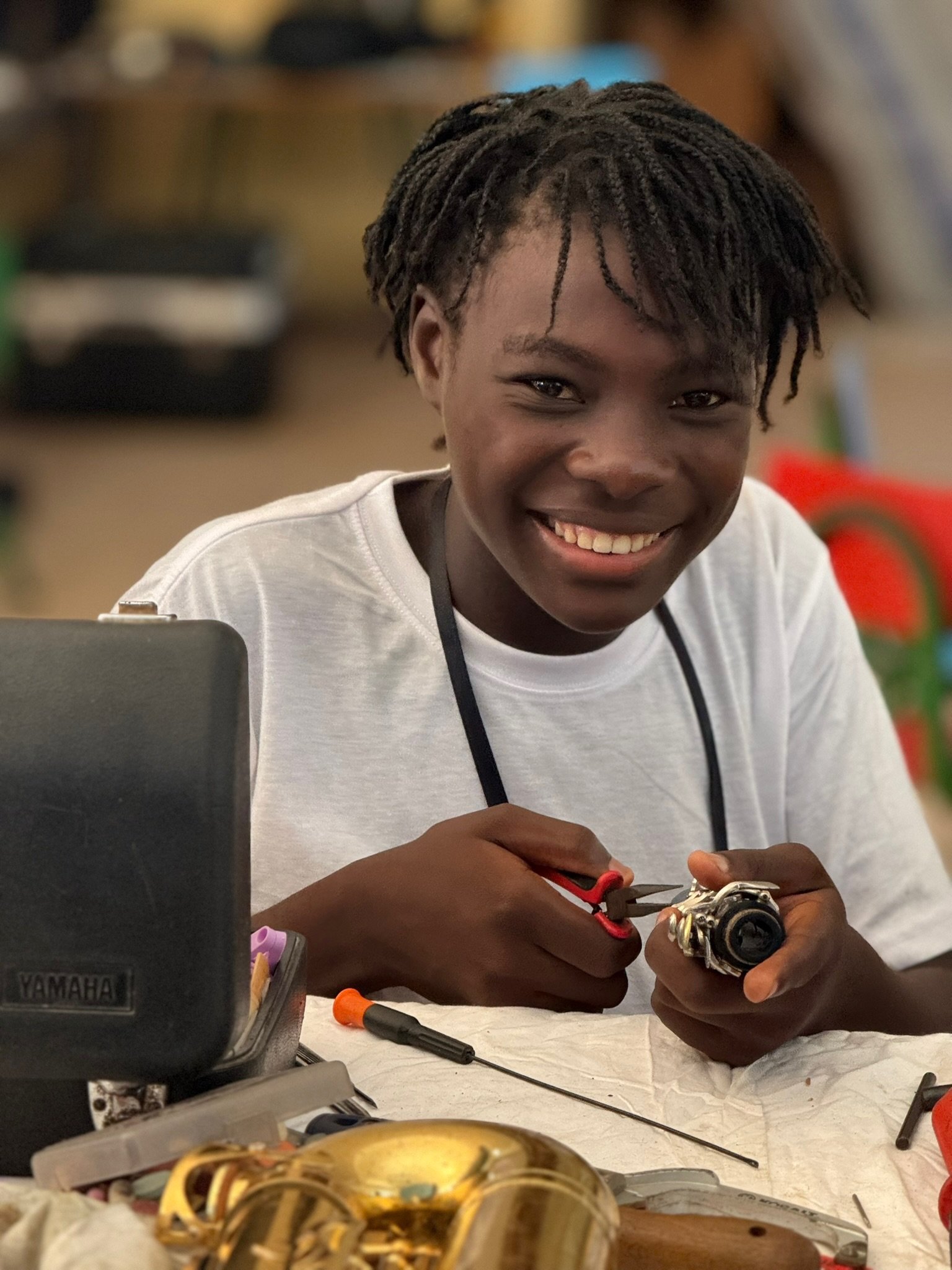
Every girl in Haiti who picks up an instrument and stays with it, who pushes past the assumption that certain instruments and certain stages are not for her, is doing so inside an ecosystem that has to be built and sustained and funded deliberately and your support builds that ecosystem.
It pays the salaries of teachers like Stephanie who show up every day and make sure the girls in their classrooms never have to wonder whether there is a place for them in music, it funds the workshops and festivals and programs that put instruments into young hands and keeps them there, and it creates the stages and the mirrors and the moments that tell a girl in Jacmel or Cap-Haitien or anywhere in Haiti that she was always meant to be here.
When we invest in women and girls through music, we are not just funding musicians we are funding future directors, future educators, future community leaders, future role models, and the generation that will look back at the ratio of one woman among seventeen and decide that this is the last time that number stays that low.
So many future stories are already beginning in classrooms somewhere in Haiti, with a girl who just needs someone to believe in her long enough to become someone who believes in others and with your support, that is exactly what happens.
With your support we will not only sustain this work, we will BLUME. 🌺
Make a donation TODAY to be a part of this movement in Haiti: https://www.blumehaiti.org/donate